Flock Safety ALPR Network Under Scrutiny After Camera Data Shared With Media
By 2026 Flock Safety had about 4,000 police agencies using more than 130,000 automatic license plate recognition cameras. A group calling itself stegan0gram removed one camera, copied stored files, and provided them to journalists.
Nationwide ALPR deployment
Flock Safety sells automatic license plate recognition (ALPR) cameras used by U.S. towns and police departments. Units mounted over roads photograph passing vehicles and send images and related data to company servers over cellular networks. Plate reading and classification of color, make, and model run in the cloud. Timestamped records then go back to the purchasing agency.
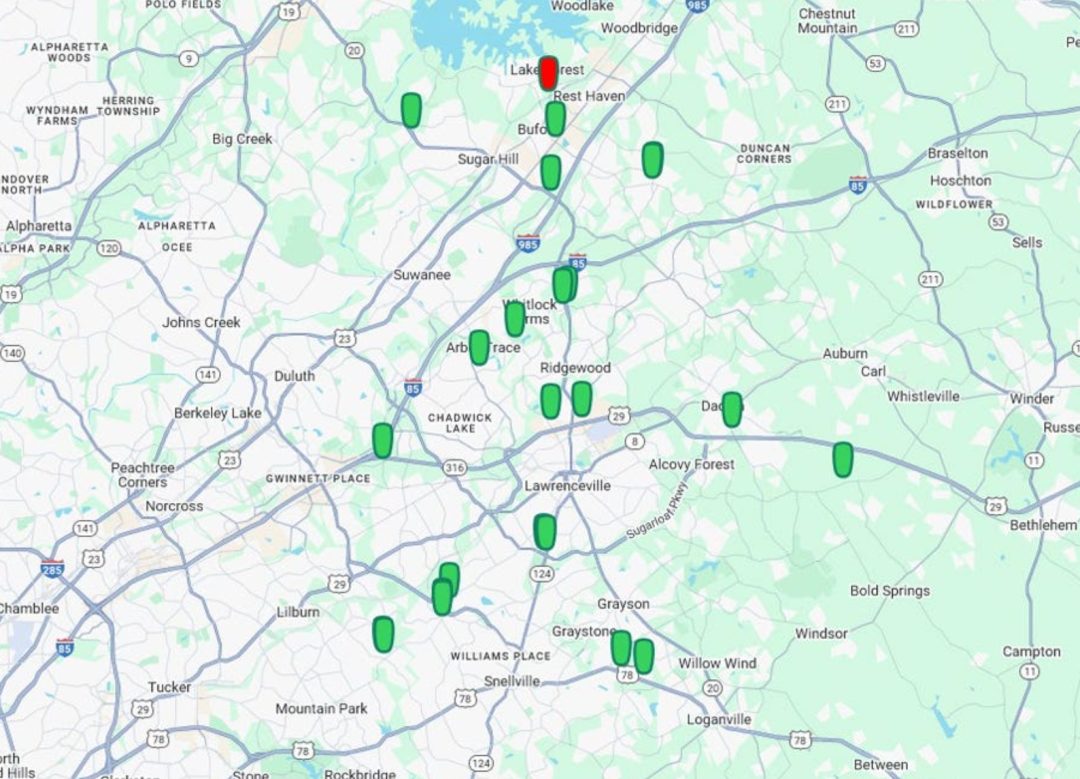
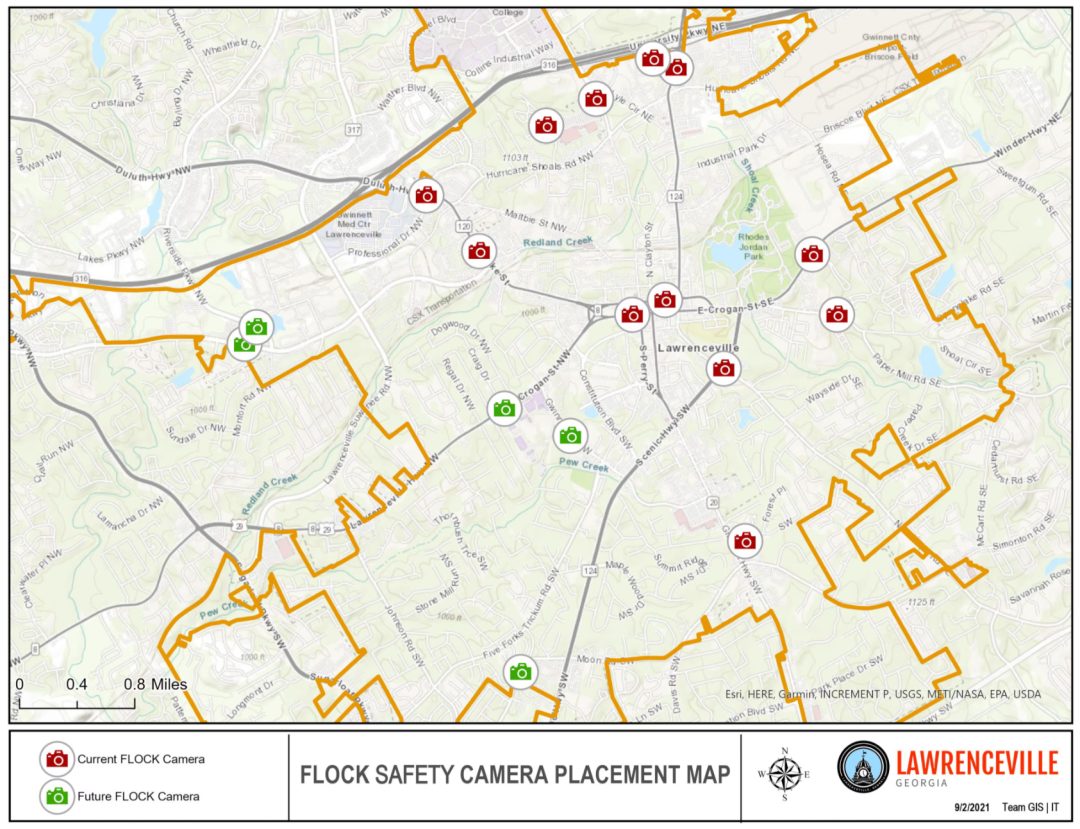
By 2026 about 4,000 police departments had deployed more than 130,000 cameras. Official records in Alpharetta, Georgia, showed footage from the same cameras could be retrieved by more than 2,000 organizations, including police agencies, universities, airports, and the inspector general of the U.S. General Services Administration.
Reporting has described local officers searching plates for U.S. Immigration and Customs Enforcement (ICE) even where local law limited cooperation with immigration agencies, and Texas officers searching the national network for a vehicle linked to a woman who had a self-managed abortion.
Damage, decoys, and contract exits
From late 2025, opponents damaged cameras by shooting, vehicle impact, cutting poles, and paint. By August 2026 more than 160 Flock cameras had been physically damaged. In Winona, Minnesota, eight cameras were stolen and not replaced. In California at least one person traveled about 150 miles to remove a unit.
Oviedo, Florida, police used 3D-printed decoy cameras. A young person who cut a decoy with pruning shears was charged with three felonies, later reduced to a misdemeanor because the decoy was not worth 1,000 dollars.
In 2026 about 100 cities cancelled or declined to renew. Clustered exits were reported in Minnesota's Twin Cities, Massachusetts, and Colorado. Stated reasons included loss of local control once data entered Flock's national network, including searches by federal agencies. Georgia residents filed a class action. Senator Josh Hawley opened a congressional inquiry. The Hood County sheriff called the system "warrantless surveillance" and shut it down.
CVE-2025-47824 and related findings
From early 2025, researcher Jon Gaines (GainSec) examined a Falcon/Sparrow unit he purchased and said he did not test cameras in service. The core was an Intrinsyc Open-Q 624A system-on-module from Lantronix, running Android Things 8.1 on a Qualcomm APQ8053 processor with eMMC storage and LPDDR3 memory. Two hardware revisions were documented, one with a micro-USB port and one without.
CVE-2025-47824, mapped to CWE-1326, covered missing Flash/eMMC encryption and the lack of a hardware-enforced root of trust. Gaines also reported an unlocked bootloader and Android Verified Boot that was not enforced.
He first contacted Flock on 8 February 2025. Flock replied on 10 February. On 7 March Flock requested CVE identifiers for 10 issues. On 5 May Flock published a statement minimizing impact. The research blog appeared on 19 June, and the first CVE identifiers were published on 27 June 2025.
Flock acknowledged the issues, said they required physical access, and said images are sent to the cloud and kept locally only briefly, so taking a device would still not yield recordings.
Files from a removed camera
A group calling itself stegan0gram removed a camera from a pole, copied stored files, and gave them to journalists. Flock said unauthorized removal and alteration of its cameras is illegal. On stored encryption keys, a spokesperson said the company has a public vulnerability disclosure policy, had not received a related report, and could not assess the claims from available information.
Recovered logs covered about 21 days, with gaps. In that window the unit photographed about 50,200 vehicles and generated about 1.6 million images, about 3,300 vehicles per day on average and 4,454 on the peak day.
About 20 Flock applications handled motion detection, photography, object classification, transmission, and updates. A typical vehicle produced about 28 images, sometimes more than 100. Plate reading and vehicle identity classification were not done on the camera.
The object detection model included a person class with bounding box and confidence. Run on test images and recovered video, it labeled people, including a journalist selfie.
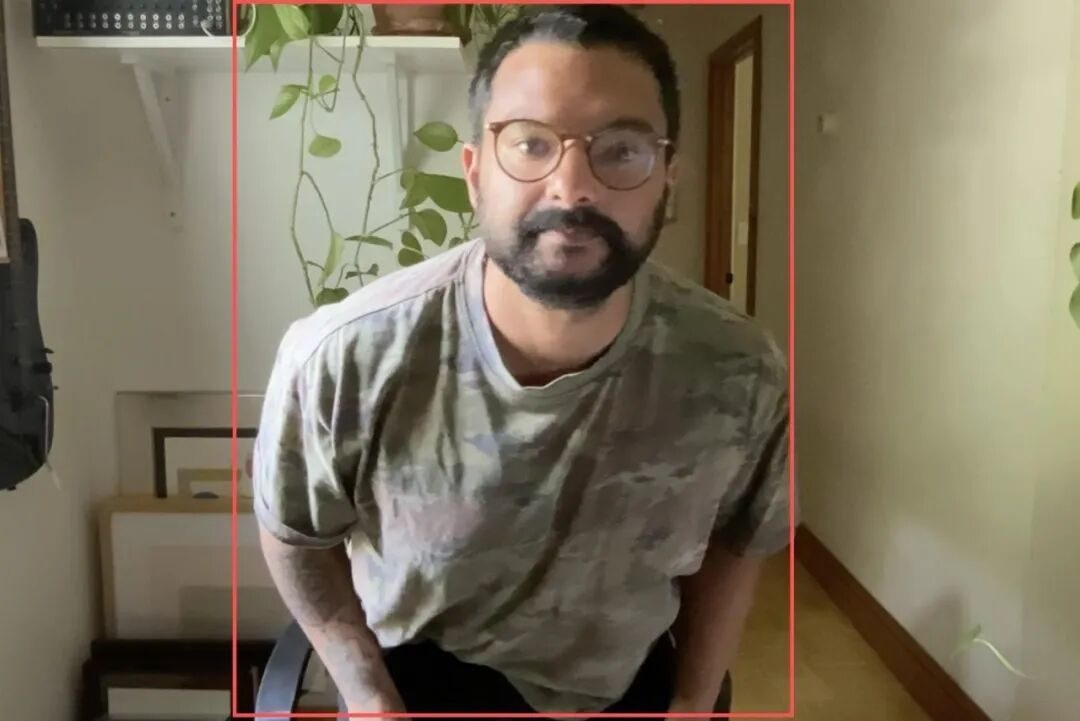
On 27,321 short on-device MP4 clips (one to two seconds, 1024 by 768, no audio), 11 contained people, all motorcycle riders. The plate detector sometimes treated stickers, dealer frames, and a U.S. flag patch on a motorcycle bag as plates.
No dedicated facial recognition module was found beyond unused Android defaults. Flock has said its cameras do not perform facial recognition.
Police software, now OS Investigate and formerly Nightshift, can combine camera records with police files and commercial data, including searches for vehicles that appear together and searches by path. Frontend code for that software was reviewed in August.
Logs recorded more than 27,000 storage-full errors when saving full-resolution photos, plus crashes and restarts.
Former Pawtucket, Rhode Island, officer Noel Pichardo, who opposed Flock cameras locally, said extra-legal damage to equipment can strengthen agencies' arguments for keeping the tools. Removing a roadside monitoring device without authorization is a crime. The copied files allowed comparison of public descriptions of the system with software and logs from a field unit.