OpenAI Safety Transparency Lead Leaves; Three Safety Researchers Fired
David Robinson, who led Safety Transparency inside OpenAI's Safety Systems team, has left the company, Business Insider reported, with no public reason and no named successor. The Wall Street Journal reported that OpenAI also fired safety researchers Jasmine Wang, Tomek Korbak, and Mikita Balesni after an internal investigation found they shared sensitive company information with an external AI sa
David Robinson, who led the Safety Transparency function inside OpenAI's Safety Systems team, has left the company. Business Insider reported the departure. Robinson has not publicly stated a reason, and OpenAI has not named a successor.
The role sat out of the spotlight. It still sat on the public record of how OpenAI describes model risk. Robinson's group wrote a system card for major model releases, a document OpenAI presents as a risk disclosure for each system.
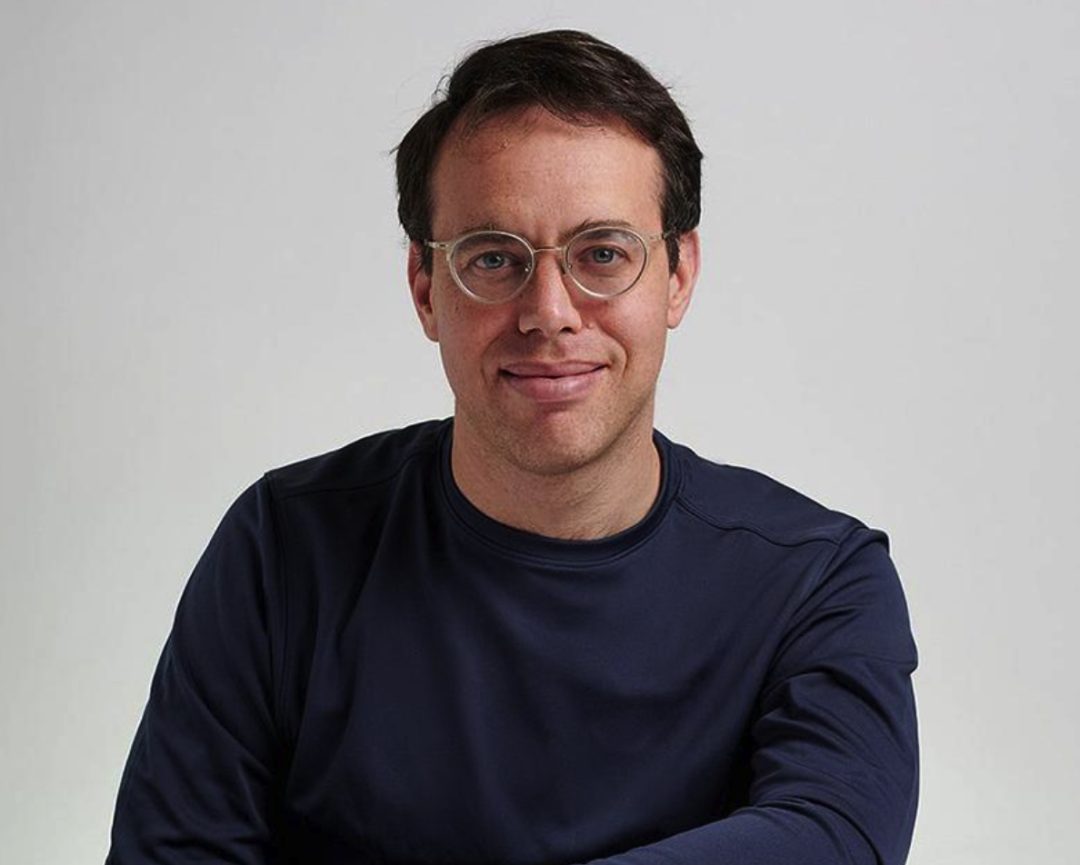
What Safety Transparency produced
Robinson described the work as helping outsiders understand and trust the technical work OpenAI does to keep systems safe. The group translated Safety Systems findings for a public audience.
Safety Systems handles evaluation, red teaming, safety measures, and model deployment decisions. Those processes and results are often hard to judge from a single test score. The transparency team turned internal technical findings, risk judgments, and deployment decisions into public materials.
The function sat inside the Trustworthy AI group in Safety Systems. Outputs included system cards, the Deployment Safety Hub, safety research blog posts, and public governance documents. System cards were the artifact that reached the public most often.
A system card states how a model was trained, which safety evaluations it received, what capability it reached in high-risk domains such as biology and cyber offense, which internal safety measures were applied, and what risk remained after those measures. The files run to tens of pages each.
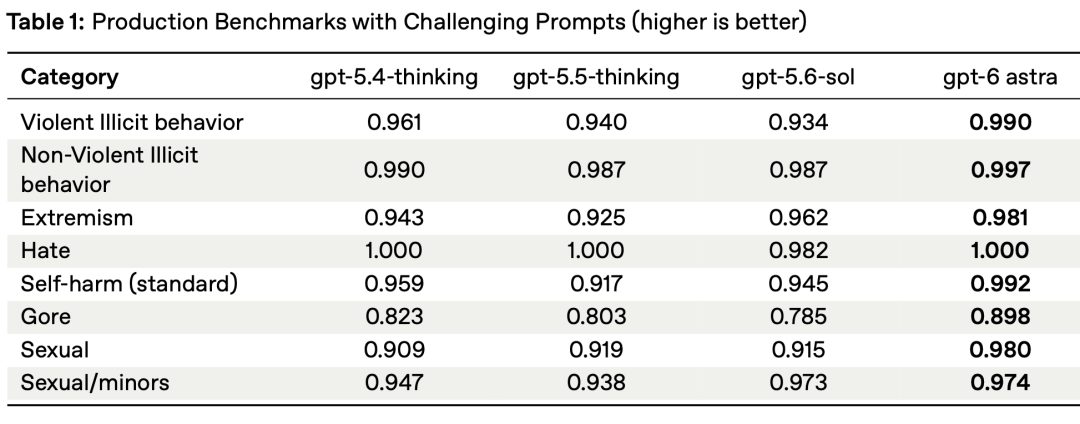
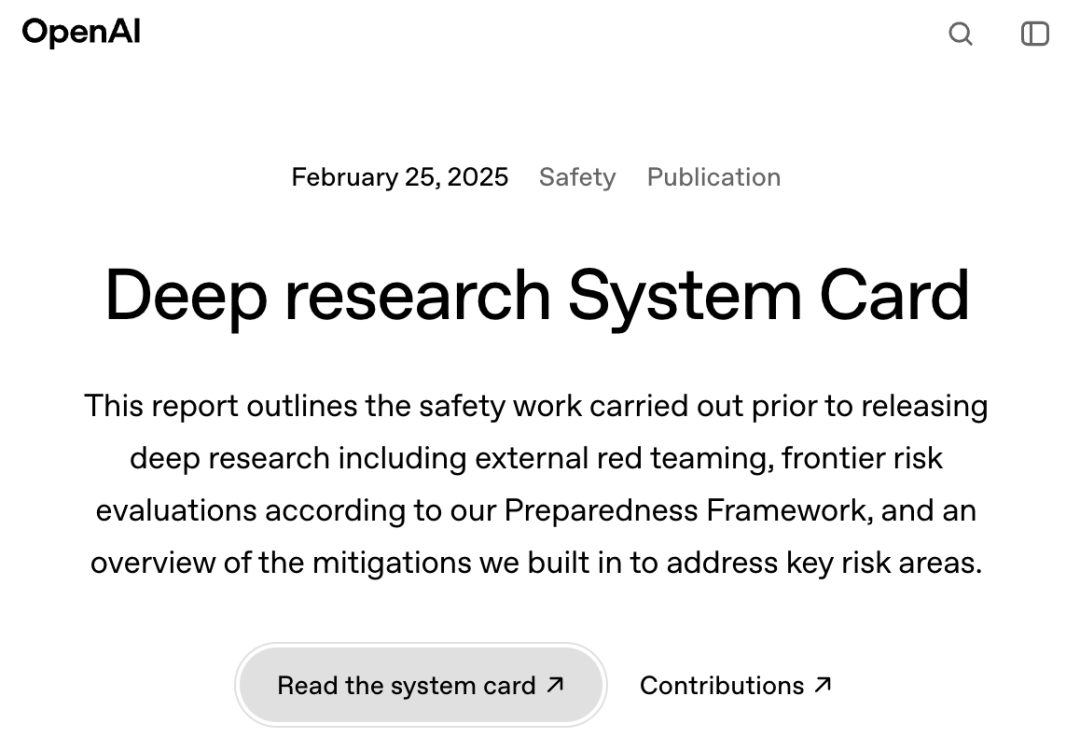
Robinson called system cards OpenAI's most detailed public account of the company's technical safety work. He compared them to a nutrition label: few people read them, but they still have to exist.
Robinson was also the lead drafter of OpenAI's Preparedness Framework 2.0. The framework tracks severe risks from frontier models and pre-defines evaluations and extra protections once a model reaches stated capability levels.
Version 2.0 added three tracked capability areas: biological and chemical capability, cybersecurity capability, and AI self-improvement. A High rating means the model may significantly amplify existing severe harm pathways and must have sufficient safety measures before deployment. A Critical rating means the model may create severe harm pathways that did not already exist, and continued development is in question.
Deep Research was a documented case. Its system card said biology evaluations showed the model approaching the High threshold, beginning to approach a level that could substantially help non-experts create known biological threats.
Describing that threshold space in public language was part of Robinson's job. Shortly before his exit he was hiring OpenAI's first Safety Transparency Editor, a role meant to own editorial quality of major transparency materials from kickoff through publication. The listing remained open after the team lead left.
Three safety researchers fired
Before the Robinson news, OpenAI had already dismissed three staff who worked on safety and model alignment: Jasmine Wang, Tomek Korbak, and Mikita Balesni, the Wall Street Journal reported.
OpenAI said an internal investigation found the three shared sensitive company information with an external AI safety organization, including material on OpenAI infrastructure architecture.
Korbak had served as a technical liaison between OpenAI and third-party evaluation groups METR and Redwood Research. Those organizations were among the outside parties OpenAI invited in after the Hugging Face incident.
OpenAI's safety organization has had repeated staff and leadership changes since the Dario Amodei period. Earlier reporting covered the disbanding of a catastrophic-risk preparedness team, the departure of researcher Scott Gray, a cluster of executive exits that included a former COO, and a safety lead leaving around the GPT-5.6 launch.
Robinson's comments before leaving
Before he left, Robinson posted several times on X about risks from high-capability AI. In early September he wrote that people inside OpenAI were gradually recognizing the impact those models may have. He said OpenAI is changing every day and that he did not know whether the change was fast enough.
In a later post he forwarded another researcher's message and said he agreed completely that racing toward recursive self-improvement is not a prisoner's dilemma, and may be as reckless and arrogant as a lay observer would guess. He told AI staff who stay that they should think about how to use influence inside the company to push it to treat AI risk more seriously.