Shandong Police Arrest 28 in Sale of 40 Million Personal Records
Zaozhuang public security officers arrested 28 people in a personal-information trafficking case and seized more than 40 million records. Police put the amount involved at more than 6 million yuan and said they dismantled two groups.
Net Cleaning 2026 case in Zaozhuang
Public security network-security units in Zaozhuang, Shandong, broke a case of illegal trade in citizens’ personal information, arresting 28 people and seizing more than 40 million records. Investigators put the amount involved at more than 6 million yuan and said they dismantled two criminal groups.
The departments have been running the Net Cleaning 2026 campaign to protect personal information, which police tied to privacy and property harm.
Tengzhou inquiry in May 2026
In May 2026, Tengzhou network-security officers found that an internet user surnamed Ma had long bought large volumes of personal data through illegal channels and used the records in bulk for loan-sales phone calls. Police said the activity harmed lawful interests of the public and opened a full investigation.
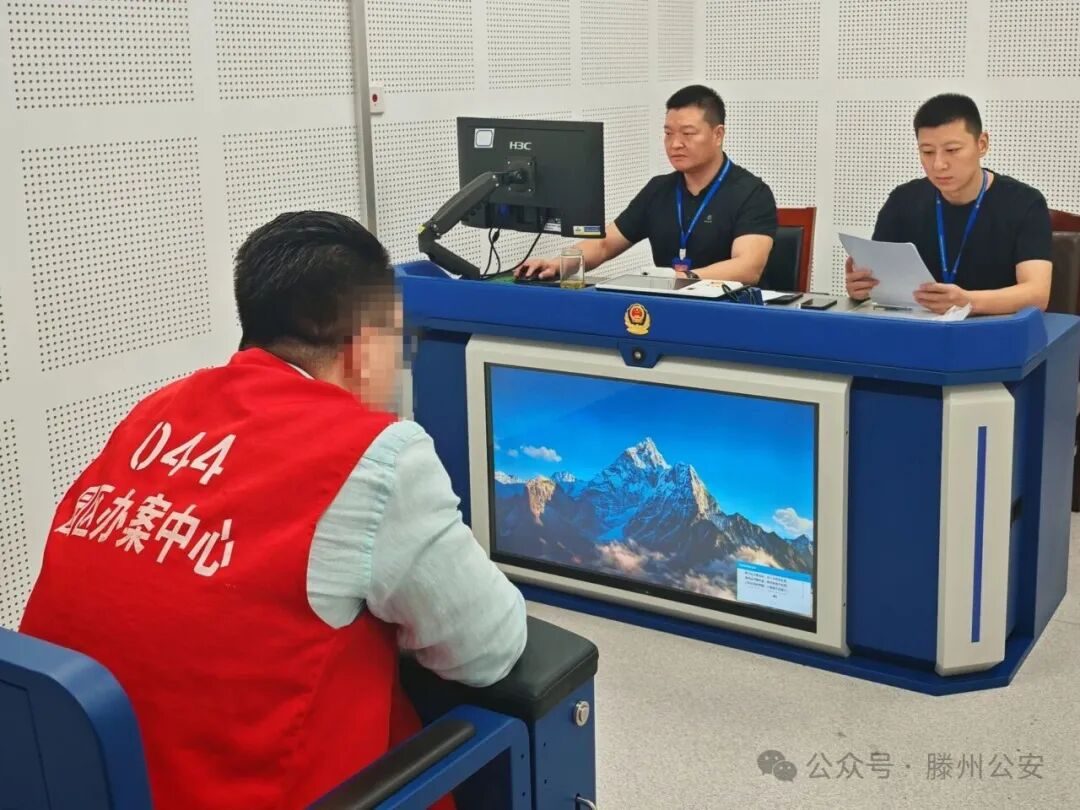
Officers said Ma organized a large group to obtain and resell personal information at scale and built a chain from acquisition and sorting through distribution and cash-out. They described a wide reach, a large volume of records, and serious social harm. After mapping the case, police traveled to multiple locations, arrested all 28 suspects, and dismantled the groups.
Criminal Law Article 253-1
Article 253-1 of the Criminal Law of the People’s Republic of China covers selling or providing citizens’ personal information in violation of national rules. If the circumstances are serious, the penalty is up to three years in prison or criminal detention, plus a fine that may be imposed alone or together with imprisonment. If the circumstances are especially serious, the range is three to seven years plus a fine.
The same article imposes heavier punishment when someone sells or provides personal information obtained while performing duties or providing services. Theft or other illegal acquisition of personal information is punished under the first paragraph. If a unit commits the offense, the unit is fined and the people directly in charge and other directly responsible staff are punished under the same provisions.
Personal Information Protection Law Article 10
Article 10 of the Personal Information Protection Law of the People’s Republic of China bars any organization or individual from illegally collecting, using, processing, or transmitting other people’s personal information, and from illegally trading, providing, or disclosing it. It also bars personal-information processing that harms national security or the public interest.
Police said leaks of personal data can feed telecom fraud, targeted harassment, and online extortion, and can threaten property and public order. They advised the public to keep private details secure, avoid casual registration that exposes data, and report leaks or related clues to public security organs.
To support rules on the digital economy and personal-information protection, the Ministry of Public Security and other agencies have built a national network identity authentication public service platform. Police said the platform offers free identity authentication for users and businesses.